





Key Takeaways
- Early evaluation helps you understand the stage and progression of hair loss.
- A hair transplant is not always the first step in male pattern baldness treatment.
- Timing matters as too early or too late can affect long-term results.
- A personalised plan guided by a qualified doctor ensures safer, realistic outcomes.
What is male pattern baldness and when does it usually begin?
Male pattern baldness is a common condition that can start as early as the late teens or twenties, though many men notice changes in their 30s or 40s. It typically begins with,
- A receding hairline
- Thinning at the crown
- Gradual loss of hair density
This condition progresses over time, which is why early awareness plays an important role in choosing the right male pattern baldness treatment. However, noticing early signs does not automatically mean you need a hair transplant straight away.
Is a hair transplant the first step in male pattern baldness treatment?
Not always. In many cases, doctors may recommend non-surgical options before considering a transplant. These may include,
- Medications to help slow down hair loss
- Topical treatments to support hair health
- Lifestyle adjustments that may impact hair condition
A hair transplant is usually considered when,
- Hair loss has stabilised
- There is sufficient donor hair available
- Other treatments have been explored or are unsuitable
This staged approach helps ensure that the treatment plan remains appropriate and sustainable over time.
How early is “too early” for a hair transplant?
Considering a hair transplant too early can lead to challenges later on. Hair loss is progressive, and early procedures may not account for future thinning. Some key considerations include,
- Unpredictable hair loss progression- Early transplants may not match future hair patterns
- Need for additional procedures- More sessions may be required over time
- Donor hair limitations- Hair available for transplant is finite
Because of this, doctors often recommend waiting until the pattern of hair loss becomes clearer before proceeding.
When is the right time to consider a hair transplant?
The timing varies from person to person, but some general indicators include,
- Hair loss pattern has become more defined
- Rate of hair loss has slowed or stabilised
- You have realistic expectations about outcomes
- You have discussed options thoroughly with a doctor
A well-timed transplant can complement other male pattern baldness treatment options and support a more balanced, long-term result.
What factors influence the decision?
Several factors are evaluated before recommending a hair transplant,
- Age and stage of hair loss
- Family history of baldness
- Scalp condition and donor hair quality
- Overall health and medical history
These factors help guide a treatment plan that is tailored to individual needs rather than a one-size-fits-all approach.
What Should You Consider Before Getting a Chemical Peel?
Before deciding on treatment, keep these points in mind,
- Downtime varies depending on the peel type
- Multiple sessions may be required
- Sun care is crucial to protect treated skin
- Mild redness or peeling can occur temporarily
Importantly, treatments should always be performed under medical supervision to ensure safety and suitability.
Frequently Asked Questions (FAQs)
1. Can I get a hair transplant in my early 20s?
It may be possible, but many doctors advise caution. Early hair loss can still progress, so a detailed assessment is important before making a decision.
2. Will a hair transplant stop further hair loss?
No, a hair transplant redistributes existing hair but does not stop ongoing hair loss. Other male pattern baldness treatment options may still be needed.
3. How do I know if my hair loss has stabilised?
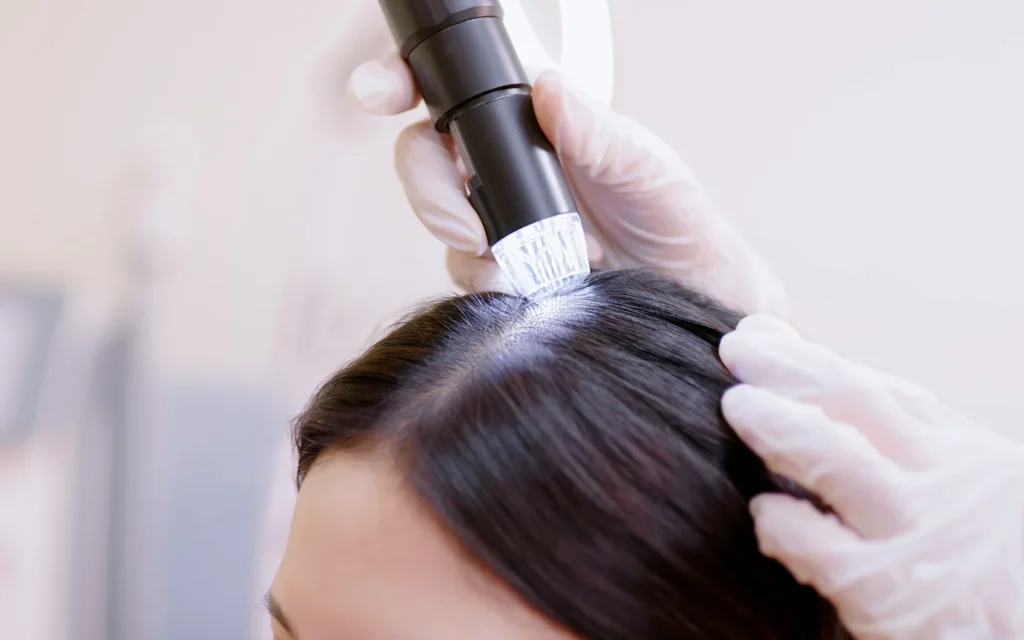
A doctor will assess your hair loss pattern over time and may review your medical history to determine if it has stabilised.
4. Is a hair transplant permanent?
Transplanted hair is generally long-lasting, but natural hair loss in other areas may continue, which is why long-term planning is important.
Considering your options for male pattern baldness treatment?
If you are noticing early signs of hair loss or wondering about the right time for a hair transplant, a professional evaluation can help you make an informed decision.
At Ang Skin & Hair Aesthetic Clinic, Dr Ang and his team provides personalised assessments to guide you through suitable male pattern baldness treatment options based on your individual condition. Consider booking a consultation today to understand your hair loss and explore appropriate treatment pathways.